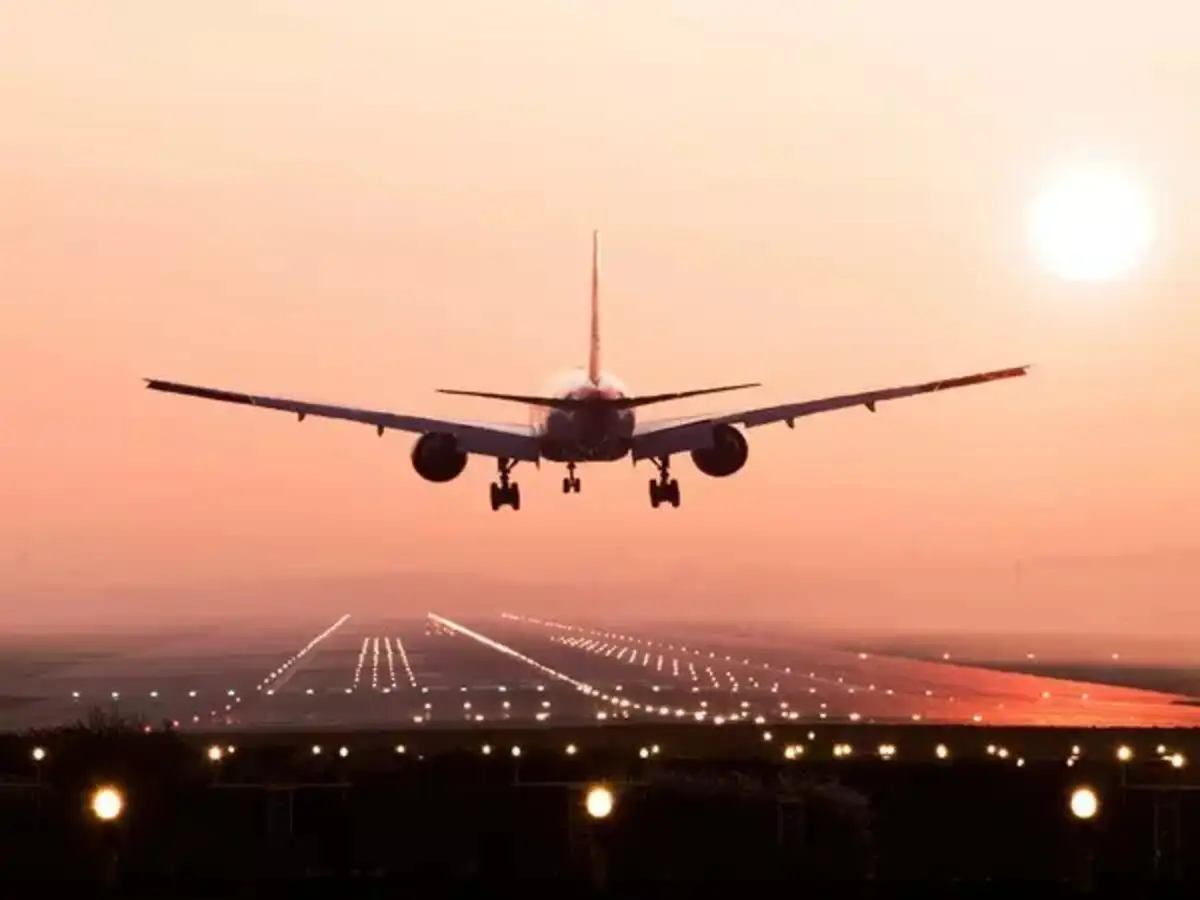
If you’ve ever sat at a gate watching the departure board tick further and further past your scheduled time, you’re not alone. Flight delays have become one of the most frustrating realities of modern air travel — and in Europe, the problem is getting worse. According to the latest data, delays across European airlines increased by a staggering 54% in 2025 compared to the previous year, with millions of passengers affected across the continent.
But here’s what many travellers don’t realise: if your flight is delayed by 3 or more hours, you may be legally entitled to up to €600 in compensation under EU Regulation 261/2004 (EU261). Understanding which airlines delay the most — and what your rights are when they do — can save you hundreds of euros.
This guide breaks down the worst-performing airlines for delays in 2025, the reasons behind the chaos, and exactly what you should do if it happens to you.
Why Are European Flights So Delayed in 2025?
Before diving into the rankings, it helps to understand what’s driving the surge in disruptions. Several major factors converged in 2025 to create a perfect storm for air travel.
Severe weather events played a major role early in the year. January brought Storm Éowyn, which caused widespread disruption across Ireland, the UK, and parts of northern Europe. In April, a massive power outage across Spain, Portugal, and southwest France led to temporary airport closures and widespread cancellations.
Air traffic control (ATC) capacity continues to be one of the most systemic issues in European aviation. According to IATA, ATC delays in Europe have more than doubled over the last decade — a 114% increase between 2015 and 2024 — while the number of flights rose by only 6.7% over the same period. Staff shortages and capacity limitations at key ATC centres, particularly in France, remain largely unresolved.
Growing passenger volumes are also putting infrastructure under pressure. Air traffic in Europe grew by approximately 3.7% in early 2025 compared to 2024, adding congestion at already-strained airports and air traffic control systems.
Airline operational issues — including crew shortages, technical faults, and knock-on delays — further compound the problem. According to Eurocontrol’s annual report, reactionary (knock-on) delays accounted for 46% of all delay minutes in 2024, meaning a single disruption early in the day can cascade across an entire route network.
The Airlines with the Most Delays in Europe (2025)
1. TAP Air Portugal — Worst for Delay Rate
TAP Air Portugal holds the unwanted title of Europe’s most delayed airline in 2025. According to data from Flightright, an extraordinary 47% of TAP flights were delayed over the course of the year, with some reports showing delay rates as high as 37% even in the first five months alone. Despite this, TAP maintained one of the lowest cancellation rates in Europe at around 0.05%, which only underscores that “not cancelled” and “on time” are two very different things.
Passengers flying TAP through Lisbon — its main hub — regularly face knock-on delays that ripple through the schedule, particularly on busy routes connecting Europe, Brazil, and Africa.
2. Wizz Air — Highest Overall Disruption Rate
Wizz Air recorded the highest overall disruption rate among European carriers in 2025, with 16.2% of its flights either delayed or cancelled. While this is actually an improvement from 22.4% in 2024, it still represents a significant operational challenge. Wizz Air’s ultra-low-cost model means tight turnarounds and high-frequency scheduling, which leaves little room to recover when something goes wrong.
Routes most affected in 2025 included Dublin, Manchester, and Belfast, where a combination of airport congestion and weather-related issues created recurring disruptions. Passengers on these routes experienced some of the longest waits and most unpredictable schedules.
3. Ryanair — Most Flights Delayed by Volume
As Europe’s largest airline by passenger numbers, Ryanair’s scale means delays are highly visible. In 2025, 41% of Ryanair flights were delayed according to Flightright’s analysis — a dramatic jump from under 20% in 2024. The airline reported a 7.9% disruption rate overall, an improvement from 10% in 2024, but the sheer volume of flights (over 426,000 delayed flights recorded) makes it one of the top airlines for passenger impact.
Ryanair has invested in schedule buffers and fleet optimisation to reduce disruptions, but heavy traffic at key airports — particularly in London, Dublin, and Tirana — continues to cause bottlenecks. The combination of quick turnarounds, a packed route map, and airport congestion makes minor delays almost inevitable at high-frequency hubs.
4. easyJet — High Disruption Rate with Worsening Trend
easyJet saw its disruption rate rise to 6.4% in 2025, up from 3.8% in 2024 — a significant deterioration in performance. Flightright data showed 43% of easyJet flights experienced delays, placing it among the top three worst-performing airlines in Europe. Over 234,000 easyJet flights were delayed across the year.
Much of this is structural: easyJet operates heavily through congested hubs like London Gatwick and Amsterdam Schiphol, where even small issues cause outsized delays. Passengers on routes through these airports should build extra buffer time into their travel plans and keep compensation eligibility in mind.
5. KLM — Sharp Rise in Cancellations
KLM experienced a notable jump in disruptions in 2025, with 4.2% of its flights delayed or cancelled, up from 2.6% in 2024. More strikingly, KLM topped the cancellation charts with 2.30% of flights cancelled outright — the highest cancellation rate among major European carriers — with 2,760 flights scrapped between January and May alone.
Amsterdam Schiphol, KLM’s main hub, faced significant congestion issues that created ripple effects across both short and long-haul schedules. The most disrupted destinations were Dublin, Amsterdam domestically, and Boston on the transatlantic network.
6. Air France — One in Five Flights Delayed
Air France logged over 22% of flights delayed by 15 minutes or more in early 2025, placing it among Europe’s worst-performing legacy carriers for punctuality. While cancellation rates remained below 1%, the frequency of delays makes Air France one of the least reliable options for passengers with tight connection times or fixed onward plans.
France’s chronic air traffic control capacity issues are a key driver. French airspace is the busiest in Europe, with traffic from the UK, Spain, and Italy all routing overhead, and persistent ATC staffing shortages at facilities like Nice have created ongoing bottlenecks.
7. Swiss International — Underperforming for a Premium Carrier
Swiss posted a 22.4% delay rate during the first half of 2025, alongside a 1.29% cancellation rate. For a carrier positioned as a premium option, this level of operational disruption is notable. Despite its reputation for high service quality, Swiss struggled with punctuality in ways that will disappoint passengers paying above-average fares.
8. British Airways — Improving but Still Below Average
British Airways saw meaningful improvement on cancellations in 2025 — its cancellation rate dropped to 1.19%, significantly better than 2024 when over 6% of its flights were cancelled. However, on-time performance remained weak, with only 60.67% of flights arriving on time, placing it among Europe’s least punctual legacy carriers.
The airline has been working to rebuild operational reliability after several turbulent years, but passengers should still have realistic expectations, particularly for flights through London Heathrow during peak summer periods.
9. Turkish Airlines — Rising Disruptions at a Busy Hub
Turkish Airlines faced a disruption rate of 4.5% in 2025, up from 3.9% in 2024. The airline’s extensive global network — it serves more countries than any other carrier in the world — and its reliance on Istanbul Airport (one of Europe’s busiest) means delays in one part of the network can cascade quickly.
The most impacted routes in 2025 were Islamabad, Manchester, and Paris, affected by a combination of operational challenges and regional congestion. Istanbul’s position as a major hub between Europe and Asia makes it particularly sensitive to knock-on effects from delays anywhere in the network.
10. Lufthansa — Cancellations and Operational Strain
Lufthansa, Germany’s flagship carrier, cancelled 1,757 flights between January and May 2025 — the third-highest cancellation total among European airlines. Frankfurt Airport, its main hub, has consistently ranked as one of Europe’s least punctual major airports, with on-time departure rates that leave much to be desired.
Technical issues, crew shortages, and knock-on delays all contributed to Lufthansa’s challenges in 2025. Passengers connecting through Frankfurt should allow generous connection times to avoid being caught by a missed connection they could actually claim compensation for.
What Causes So Many Delays? A Breakdown
Flight delays rarely have a single cause. The most common reasons passengers experience delays in Europe include:
Reactionary (knock-on) delays are the most common culprit, accounting for 46% of all delay minutes according to Eurocontrol. An aircraft that arrives late from a previous sector simply cannot depart on time for its next flight — and that effect compounds across the day.
Air traffic control restrictions have more than doubled as a source of delay over the past decade. Staff shortages and capacity limitations mean that even in good weather, aircraft are often held on the ground waiting for a clearance window.
Weather remains a valid exemption from EU261 compensation when it is genuinely extraordinary — but it’s important to note that many weather-related delays still qualify for compensation if the disruption was foreseeable or if the airline failed to reroute passengers adequately.
Technical faults and crew availability are airline-side causes that almost always qualify for EU261 compensation, as these are within the carrier’s control.
Your Rights When Your Flight Is Delayed
Under EU Regulation 261/2004, you are entitled to compensation if your flight arrives at its final destination 3 or more hours late and the delay was caused by something within the airline’s control (i.e., not extraordinary circumstances like severe weather or ATC strikes).
The compensation amounts are:
- €250 for flights up to 1,500 km
- €400 for flights between 1,500 km and 3,500 km
- €600 for flights over 3,500 km
This regulation applies to all flights departing from an EU airport, and to flights arriving in the EU on an EU-based carrier — regardless of where the airline is headquartered. So whether you flew with Ryanair from Dublin or Lufthansa from Frankfurt, EU261 almost certainly applies.
In addition to financial compensation, you are also entitled to care rights during long delays: meals and refreshments, communication (phone calls or emails), and hotel accommodation if an overnight stay is necessary.
How to Claim Compensation Without the Stress
Many passengers never claim the compensation they’re entitled to simply because the process seems complicated. Airlines don’t always make it easy — claim forms can be buried on websites, responses can take months, and some carriers outright deny valid claims hoping passengers will give up.
The straightforward alternative is to use a specialist service like Voos to handle your claim from start to finish. With a no-win, no-fee model, there’s no financial risk: you only pay if your claim is successful. Voos checks your eligibility instantly, deals directly with the airline, and manages any legal steps required if the carrier is uncooperative.
All you need to get started is your flight details — booking reference, departure and arrival airport, and the date of travel. In many cases, Voos can retrieve flight data without you needing to dig through old paperwork.
Final Thoughts
The data is clear: flight delays in Europe are not a rare inconvenience — they are a structural, systemic problem affecting tens of millions of passengers every year. Whether you’re flying with a budget carrier like Wizz Air or Ryanair, or a legacy airline like British Airways or Lufthansa, delays are a real possibility, and 2025 has proven to be one of the most disruptive years on record.
But every disruption is also an opportunity. EU261 is one of the strongest passenger protection laws in the world, and it puts real money back in your pocket when airlines fail to deliver. The key is knowing your rights — and acting on them.
Next time your flight is delayed, don’t just accept it. Check your eligibility and let the experts at Voos handle the rest.
 English (USA)
 English (UK)
 Français
 Português (Portugal)
 Shqip
Shqip
 العربية
 Български
 Čeština
 Dansk
Dansk
 Deutsch
 Deutsch (Österreich)
 Deutsch (Schweiz)
 English (Canada)
 English (Ireland)
 Español
 Ελληνικά
 Magyar
 Italiano
 Nederlands
 Norsk
Norsk
 Polski
 Português (Brasil)
 中文
中文
 Türkçe