How EU261 Treats Storms, Snow, and Severe Conditions
When flights are delayed or cancelled due to storms, heavy snow, or strong winds, passengers often hear the same explanation from airlines: “The disruption was caused by extraordinary circumstances.”
Under EU Regulation 261/2004 (EU261), whether bad weather qualifies as “extraordinary” can determine if passengers receive compensation of up to €600 — or nothing at all.
But does bad weather automatically count as extraordinary? The short answer is: sometimes — but not always.
Understanding the Extraordinary Circumstances Rule
EU261 requires airlines to compensate passengers when flights are delayed more than three hours, cancelled at short notice, or when boarding is denied — unless the airline can prove that the disruption was caused by extraordinary circumstances beyond its control.
To avoid compensation, airlines must prove two things:
- The event was truly extraordinary.
- The airline took all reasonable measures to prevent or reduce the delay.
Bad weather often falls into the first category — but the legal interpretation depends on severity and context.
Severe Weather: Clearly Extraordinary
Certain weather events are widely accepted as extraordinary circumstances.
Examples include:
- Hurricanes or major storms
- Snowstorms that close runways
- Volcanic ash clouds
- Lightning strikes causing safety concerns
- Flooding of airport infrastructure
If authorities close airspace or restrict operations due to safety risks, airlines typically cannot operate flights legally or safely.
European courts have consistently ruled that extreme weather events beyond the airline’s control qualify as extraordinary.
In such cases, compensation is usually not payable — even if passengers experience significant delays.
Not All Bad Weather Is Extraordinary
However, not every instance of bad weather automatically qualifies.
Routine or foreseeable weather conditions — such as moderate rain, manageable wind, or seasonal snowfall — may not always meet the threshold.
Airlines operate year-round in varying climates. Courts have ruled that airlines must anticipate typical seasonal weather patterns and prepare accordingly.
For example:
- Snow in Scandinavia during winter may not automatically be extraordinary.
- Rain in London or Paris is considered normal operational risk.
- Light wind or standard thunderstorms may not justify blanket compensation denial.
The key question is whether the weather was exceptional and unavoidable, not merely inconvenient.
Airport Closures and Airspace Restrictions
One major factor is whether aviation authorities intervene.
If airport management or air traffic control (ATC) closes runways or restricts departures due to safety concerns, airlines usually cannot be held responsible.
ATC decisions are outside airline control. Therefore, delays caused by official airspace restrictions often qualify as extraordinary.
However, airlines must still demonstrate that the weather — not internal operational decisions — caused the disruption.
Knock-On Delays: A Grey Area
One of the most disputed scenarios involves “knock-on effects.”
Imagine a severe storm in the morning disrupts flights. By the afternoon, the weather improves, but aircraft and crew are out of position. Later flights are delayed as a result.
Passengers on those later flights may be told the delay was due to extraordinary circumstances. But courts have sometimes ruled that once the immediate weather impact ends, subsequent operational delays may fall within airline responsibility.
If an airline fails to reorganize resources effectively after weather clears, compensation could still be payable.
Lightning Strikes and Aircraft Inspection
Lightning strikes are a common example cited by airlines.
If lightning hits an aircraft, safety inspections are mandatory. Courts have generally treated lightning damage as extraordinary because it is an external event.
However, if inspection procedures are delayed due to airline staffing or scheduling issues, compensation eligibility could depend on how the airline handled the situation afterward.
Snow and De-Icing Delays
Winter weather creates recurring disputes.
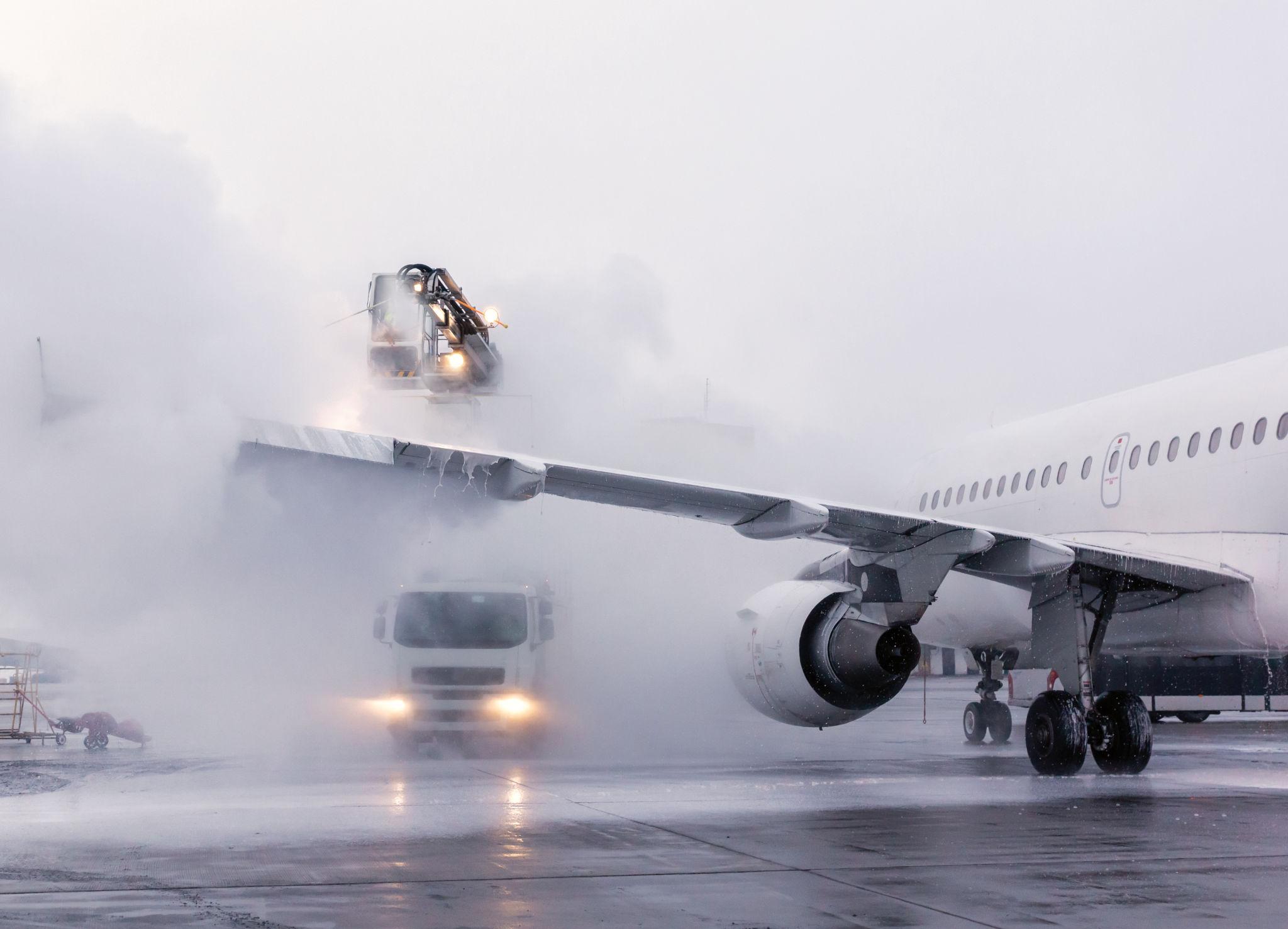
De-icing aircraft is a routine winter procedure in many European countries. If delays are caused simply by de-icing operations within expected conditions, airlines may struggle to classify that as extraordinary.
On the other hand, if extreme snowfall overwhelms airport capacity or leads to runway closure, that may qualify.
The distinction lies in predictability and operational preparedness.
Storms at Destination vs. Origin
Weather disruptions do not need to occur at the departure airport to qualify.
If the destination airport is closed due to storms, aircraft cannot land. Similarly, if the incoming aircraft cannot depart its previous location due to severe weather, the ripple effect may impact your flight.
Airlines must provide evidence of the direct link between the weather event and the delay.
The “All Reasonable Measures” Requirement
Even when weather qualifies as extraordinary, airlines must prove they took all reasonable measures to minimize passenger inconvenience.
This may include:
- Attempting to reroute passengers
- Deploying alternative aircraft
- Rescheduling flights promptly
- Providing meals and accommodation
If an airline simply cancels a flight without exploring alternatives, compensation denial could be challenged.
Courts evaluate whether the airline acted responsibly after the weather event.
Passenger Rights Still Apply
Even if compensation is not payable, passengers still have rights during weather-related delays.
Under EU261, airlines must provide:
- Meals and refreshments after certain waiting times
- Hotel accommodation if overnight stay is required
- Transport between airport and hotel
- Two free communications (calls or emails)
Extraordinary circumstances affect compensation — not the duty of care.
How Courts Have Narrowed the Definition
Over time, European Court of Justice rulings have narrowed the scope of extraordinary circumstances in various areas, especially technical faults.
In weather-related cases, courts often analyze:
- Whether the weather was truly exceptional
- Whether authorities imposed restrictions
- Whether similar flights operated during the same period
- Whether the airline could have mitigated the delay
Passengers have successfully challenged compensation denials when airlines relied on vague references to “operational weather issues” without concrete evidence.
Why Airlines Often Cite Weather
Weather is one of the most commonly cited reasons in compensation refusals.
From an airline’s perspective, safety must come first. Pilots cannot operate aircraft in unsafe conditions, and regulations are strict.
However, passenger advocates argue that the term “bad weather” is sometimes used too broadly.
Transparency plays a crucial role. Detailed explanations and evidence help clarify whether compensation denial is justified.
What Passengers Should Do
If your compensation claim is rejected due to bad weather, consider:
- Requesting a detailed explanation
- Asking whether airport or ATC restrictions were in place
- Checking weather reports for that date
- Comparing whether other airlines operated flights at the same time
Documentation and persistence can matter.
If you believe the weather was not extraordinary, you may escalate the claim to a national enforcement body or small claims court.
The Bottom Line
Does bad weather count as extraordinary under EU261?
Yes — but only when it is severe, exceptional, and truly beyond the airline’s control.
Routine seasonal conditions, predictable rain, or manageable delays may not automatically qualify. Each case depends on evidence, timing, and how the airline responded.
For passengers, the key takeaway is that “bad weather” is not a universal exemption. It must meet strict legal criteria.
Understanding the difference between unavoidable extreme events and normal operational challenges can help determine whether compensation is rightly denied — or worth challenging.
 English (USA)
 English (UK)
 Français
 Português (Portugal)
 Shqip
Shqip
 العربية
 Български
 Čeština
 Dansk
Dansk
 Deutsch
 Deutsch (Österreich)
 Deutsch (Schweiz)
 English (Canada)
 English (Ireland)
 Español
 Ελληνικά
 Magyar
 Italiano
 Nederlands
 Norsk
Norsk
 Polski
 Português (Brasil)
 中文
中文
 Türkçe